Introduction
AI medical scribe in India is becoming a practical option for hospitals and clinics that want to reduce documentation load without disrupting clinical judgment. For burn surgery teams, documentation can be especially detailed: mechanism of injury, total body surface area estimates, wound assessment, pain status, dressing plans, procedures, follow-up instructions, and coordination across OPD, emergency, and inpatient settings. An AI medical scribe helps convert consultation conversations into structured draft notes that clinicians can review, edit, and sign off.
This page focuses on how an AI medical scribe can support burn surgery workflows in India with practical, day-to-day value. The goal is not to replace clinical decision-making. Instead, it is to support faster note creation, clearer records, and more consistent capture of key details during busy consultations. For teams evaluating an AI medical scribe in India, the most useful lens is workflow fit: how well the tool captures conversations, structures them into SOAP format, suggests coding support, and leaves final control with the clinician.
In burn care, documentation often spans first assessment, dressing changes, procedure notes, pain review, infection monitoring, rehabilitation planning, and follow-up counseling. A documentation copilot designed for healthcare can help clinicians spend less time typing and more time focusing on patient interaction, while supporting workflows aligned with local operational and governance preferences.
Department workflow
Burn surgery documentation is rarely a simple one-page summary. In many settings, the workflow starts with triage or OPD intake, followed by history taking, examination, wound description, burn depth assessment, percentage involvement, pain review, and treatment planning. Depending on the case, the clinician may also document debridement, dressing advice, fluid guidance, referral decisions, admission planning, or follow-up instructions.
In India, burn surgery teams may work across mixed environments: private hospitals, multispecialty centers, teaching institutions, and high-volume outpatient departments. This creates a need for documentation that is both fast and clinically usable. An AI medical scribe in India can support this by turning the consultation conversation into a structured draft note, helping the clinician capture the encounter while preserving the final review step.
For burn surgery, useful documentation support includes identifying the speakers correctly, separating patient history from clinician assessment, organizing findings into SOAP sections, and surfacing coding suggestions that the clinician can verify. This is especially relevant when the same team handles acute burns, follow-up wound checks, scar management, contracture review, and post-procedure visits.
Features mapped to workflow
MedScribe is built as an AI medical documentation copilot for doctors and clinics. In burn surgery workflows, its core capabilities map to common documentation needs:
- Conversation capture and transcription: Supports turning the consultation discussion into text that can be used for note drafting.
- Speaker diarization: Helps distinguish clinician and patient speech, which is useful when documenting symptoms, history, and counseling separately.
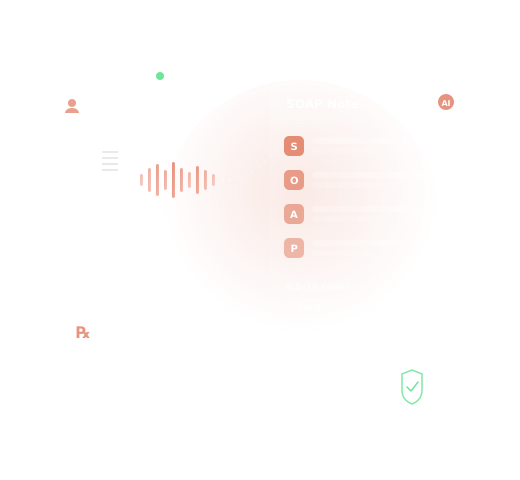
- Automatic SOAP note generation: Structures the encounter into subjective, objective, assessment, and plan sections for easier review.
- ICD-10 and CPT suggestions: Provides coding support based on the documented encounter, with clinician verification before final use.
- Multilingual support: Useful in Indian care settings where consultations may shift between English and regional languages.
- On-premise deployment options: Supports organizations that prefer private or on-premise deployment as part of their workflow and governance decisions.
These features are relevant not only for first consultations but also for repeat visits, dressing reviews, procedure follow-ups, and discharge counseling. For teams comparing options, an AI medical scribe in India should be evaluated on how well it fits existing note review habits rather than how many generic automation claims it makes.
How It Works
The workflow below reflects how the product is designed to support real clinical documentation from start to finish:
- Capture the consultation conversation: During a burn surgery OPD visit, dressing review, or follow-up consultation, the clinician-patient conversation is captured through the configured workflow. This may include history of burn injury, pain level, wound progress, examination findings, and treatment advice.
- Transcribe and separate speakers: The system converts the conversation into text and uses speaker diarization to distinguish the doctor from the patient or attendant. This helps keep symptom reporting, examination commentary, and counseling content organized for later review.
- Draft a structured SOAP note: Based on the transcript, the product generates a draft SOAP note. For burn surgery, this can help organize history, wound observations, assessment of healing or complications, and the plan for dressings, medications, procedures, referral, or follow-up.
- Surface coding support: The system can suggest ICD-10 and CPT codes based on the documented encounter. These suggestions are intended to support the clinician or billing workflow, not replace professional review.
- Clinician reviews, edits, and signs off: The doctor checks the draft note, corrects details, adds missing findings, and confirms the final record before it is saved or used downstream. Human review is the operational checkpoint that keeps the record clinically reliable.
- Choose deployment posture for operations: Hospitals and clinics can evaluate deployment options such as private or on-premise setups based on internal IT, workflow, and governance preferences. This is a practical implementation decision rather than a blanket compliance claim.
Local context
Healthcare teams in India often manage high patient volumes, mixed language consultations, and varying levels of digital maturity across departments. In burn surgery, this can mean balancing urgent assessments with detailed documentation requirements. An AI medical scribe in India can be useful when the priority is to reduce repetitive typing while keeping the clinician in control of the final note.
For hospitals evaluating technology adoption, practical questions usually matter more than broad promises: Can the tool support multilingual conversations? Can it fit OPD and follow-up workflows? Can it support private deployment preferences? Can clinicians quickly edit the draft before sign-off? These are the kinds of operational considerations that shape successful implementation in India healthcare settings.
The secondary value is consistency. When note structure is more standardized, teams may find it easier to review follow-up progress, communicate across shifts, and support coding workflows. That is why many organizations exploring AI medical scribe India healthcare solutions focus on workflow alignment, review controls, and implementation practicality.
Use cases
- Initial burn assessment: Capture history, mechanism of injury, timing, symptoms, and first examination findings into a draft SOAP note.
- Dressing change follow-ups: Document wound progress, pain, signs of infection, and updated care plans more efficiently.
- Procedure documentation support: Assist with drafting notes around debridement, scar review, or post-procedure counseling.
- Multilingual OPD consultations: Support encounters where clinicians and patients switch between English and regional languages.
- Coding assistance workflows: Surface ICD-10 and CPT suggestions for clinician or billing review after the note is drafted.
- Private hospital or enterprise deployment planning: Support organizations that prefer on-premise or private deployment models for operational reasons.
Across these scenarios, the value of an AI medical scribe in India is strongest when it reduces manual documentation effort while preserving review, edits, and final clinician approval.
FAQ
Can this be used for burn surgery OPD and follow-up visits?
Yes. It is suited to recurring documentation patterns such as initial assessments, dressing reviews, wound progress checks, and counseling notes, with clinician review before finalization.
Does the product create final records automatically?
No. It generates draft documentation and coding support, but the clinician reviews, edits, and signs off before the record is finalized.
Is multilingual consultation support relevant in India?
Yes. In many Indian care settings, consultations may include English plus regional language usage. Multilingual support can help make documentation workflows more practical.
Can hospitals choose private or on-premise deployment?
The product supports on-premise deployment options, which organizations may evaluate based on internal workflow, IT, and governance preferences.
CTA
If your burn surgery team is evaluating an AI medical scribe in India, focus on workflow fit: conversation capture, SOAP drafting, coding support, multilingual usability, and a clear clinician review step. Explore how the product can support daily OPD and hospital documentation workflows, and review related product information for features, integrations, and implementation options.